
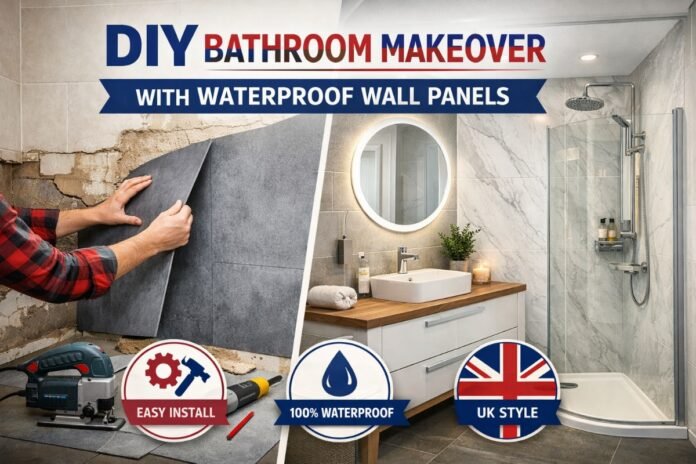

Picture this: you step into your bathroom on a busy morning and the walls still look tired, with grout lines collecting soap scum and the occasional hint of mould no matter how hard you scrub. Sound familiar? For homeowners, landlords, and even hospitality pros managing rental properties or guest suites, a full bathroom renovation used to mean weeks of dust, high costs, and endless tile-setting headaches.
The good news? You can skip all that and give your bathroom a fresh, modern, completely waterproof makeover in just a weekend with waterproof wall panels for bathroom DIY. These clever panels are changing how people approach bathroom renovation. They install faster than tiles, require zero grout, and deliver a high-end look without the hassle. Whether you are refreshing a tired rental, upgrading your family bathroom, or creating a sleek en-suite for guests, this practical guide will walk you through everything you need to know.
What Are Waterproof Wall Panels?
Waterproof wall panels (also called shower panels or bathroom wall cladding) are large-format sheets designed specifically for wet areas. Unlike traditional tiles, they form seamless, fully waterproof surfaces that lock out moisture at the source.
Most panels come in standard sizes like 2.4m x 1.2m or smaller modular options, making them perfect for DIYers. They click or glue together with minimal joints, and the best ones are 100% waterproof right through the material.
Popular Types of Waterproof Wall Panels
- PVC panels: Lightweight, budget-friendly, and incredibly tough against moisture and mould. Great for first-time DIYers and small bathrooms.
- Acrylic panels: High-gloss finish that feels premium and reflects light beautifully. Ideal for bright, contemporary spaces.
- Laminate panels: Realistic wood-effect or stone looks at a fraction of the price of real materials. Excellent for adding warmth or luxury without the upkeep.
- Composite panels (often SPC or WPC): Solid-core construction with stone or wood-plastic blends. These are the toughest option, resisting dents, scratches, and temperature changes especially well in humid climates.
They work best in showers, around bathtubs, full bathroom walls, or even utility rooms. You can install them over existing tiles, plaster, or plasterboard, so there is no need for major demolition.
Why Choose Waterproof Wall Panels Over Tiles?
Tiles have been the bathroom standard for decades, but waterproof wall panels for bathroom DIY are winning over homeowners and property managers for very practical reasons.
Here is a clear side-by-side comparison based on real-world performance:
| Factor | Waterproof Wall Panels | Ceramic Tiles |
|---|---|---|
| Installation Time | One weekend (DIY) | 3–5 days + drying time |
| Waterproofing | 100% (no grout lines) | Water-resistant but grout can fail |
| Maintenance | Wipe clean, no sealing needed | Regular grout cleaning & re-sealing |
| Cost (full average bathroom) | £400–£1,200 fitted | £800–£3,000+ fitted |
| Durability in daily use | Impact-resistant, no cracking grout | Very hard but grout wears first |
Another quick comparison many landlords love: panels can be fitted over old tiles, meaning zero skip hire and far less disruption for tenants. For hospitality properties, that quick turnaround can mean rooms back online in days instead of weeks.
Bottom line? Panels win on speed, ease, and long-term low maintenance while still looking stunning.
Design Ideas to Transform Your Bathroom
Waterproof wall panels are no longer just plain white plastic. Modern options let you create exactly the look you want.
- Modern minimalist: Matte grey or crisp white panels with slimline trims create a clean, spa-like feel. Perfect for small bathrooms where you want to maximise light.
- Marble-look luxury: Veined marble-effect panels (matt or gloss) give five-star hotel vibes without the weight or cost of real stone.
- Wood-effect warmth: Light oak or walnut finishes add natural texture and make the space feel cosy, especially in family bathrooms.
- Small bathroom hacks: Use light-reflective finishes and vertical panel layouts to make the room feel taller and brighter. Add a feature wall behind the shower for instant wow factor.
Pro tip for landlords and hospitality: choose neutral tones that appeal to the widest range of tenants or guests. They photograph beautifully for listings too.
Tools and Materials You’ll Need
Gather these before you start (most are already in a basic DIY toolkit):
- Measuring tape and spirit level
- Handsaw or jigsaw (fine-tooth blade for clean cuts)
- Grab adhesive (solvent-free, waterproof formula) and sealant gun
- Internal and external corner trims plus end caps
- Silicone sealant (bathroom-grade, anti-mould)
- Masking tape, pencil, and safety gear (gloves, goggles)
- Optional: suction cups for handling large panels and a multi-tool for tricky cuts around pipes
Panels themselves usually come with matching trims in the same box or as add-ons.
Step-by-Step DIY Installation Guide
Installing waterproof wall panels for bathroom DIY is genuinely achievable for anyone comfortable with basic tools. Expect to spend 6–10 hours for a standard bathroom, spread over a weekend.
1. Preparation
Clear the room and protect the floor and bath with dust sheets. Clean walls thoroughly (remove dust, grease, loose paint). Let panels acclimatise flat on the floor for 24 hours so they adjust to room temperature and humidity.
2. Measuring and Cutting
Measure each wall at multiple heights (walls are rarely perfectly straight). Mark panels with a pencil and cut using a fine-tooth saw. Sand edges lightly for a smooth fit. Cut holes for pipes or sockets with a jigsaw or hole saw.
3. Adhesive Application
Apply vertical beads of grab adhesive to the back of the panel (or wall, depending on manufacturer guidance). Leave a small gap around edges for silicone later.
4. Panel Installation
Start in a corner. Push the first panel into place, check it is plumb with your spirit level, and press firmly. Use temporary spacers or tape to hold until the adhesive grabs (usually 10–15 minutes). Slide or click subsequent panels together. Fit corner trims as you go.
5. Sealing and Finishing
Once all panels are up and adhesive has set (check manufacturer times, usually 24 hours), run a neat bead of silicone along every joint, edge, and around fixtures. Tool it smooth and let it cure fully before using the shower.
Pro insight: Work in good light and from the bottom up if your panels have a directional pattern. Take your time on the first panel – everything else lines up from there.
Common Mistakes to Avoid
- Skipping wall preparation: even a thin layer of dust can weaken the bond.
- Not allowing panels to acclimatise: they can expand or contract slightly and cause gaps.
- Using the wrong adhesive: solvent-based formulas can damage some panel finishes.
- Rushing the silicone seals: poor sealing is the number one reason for future leaks.
- Ignoring pipes and sockets: measure twice and cut once to avoid ugly gaps.
Landlords especially: always document the finished job with photos in case you need to prove the quality of the upgrade to tenants or insurance.
Cost Breakdown (DIY vs Professional)
A typical 2m x 3m bathroom costs:
| Option | Materials | Labour | Total |
|---|---|---|---|
| DIY Waterproof Panels | £200–£600 | Your time only | £250–£700 |
| Professional Installation | £200–£600 | £300–£800 | £500–£1,400 |
| Traditional Tiling (pro) | £300–£1,000+ | £500–£2,000+ | £800–£3,000+ |
DIY saves the biggest chunk and gives you full control. For property managers, the speed means faster rental income or guest bookings.
Maintenance and Cleaning Tips
Daily care is ridiculously easy: wipe with a microfibre cloth and mild bathroom cleaner. No harsh scrubbing or grout brushes needed. Every few months, check silicone seals and reapply if they start to look worn. Avoid abrasive pads that could scratch softer PVC finishes.
Pro insight: in hard-water areas, a quick wipe with white vinegar once a month keeps limescale at bay without damaging the panels.
Are Waterproof Panels Worth It?
Absolutely, for the vast majority of homeowners, landlords, and hospitality settings. They deliver a dramatic transformation at a fraction of the time, cost, and mess of tiling. You get a durable, mould-resistant, modern bathroom that stays looking fresh for years with almost zero effort.
That said, if you are after ultra-luxury custom mosaic work or a completely bespoke design, traditional tiles might still have the edge. For practical, beautiful, and budget-smart bathroom renovation, waterproof wall panels for bathroom DIY are hard to beat.
Ready to get started? Your fresh new bathroom is just one weekend away. Grab your tools, pick your favourite finish, and enjoy the satisfaction of a job well done.